Buying Brief for custom party collection development
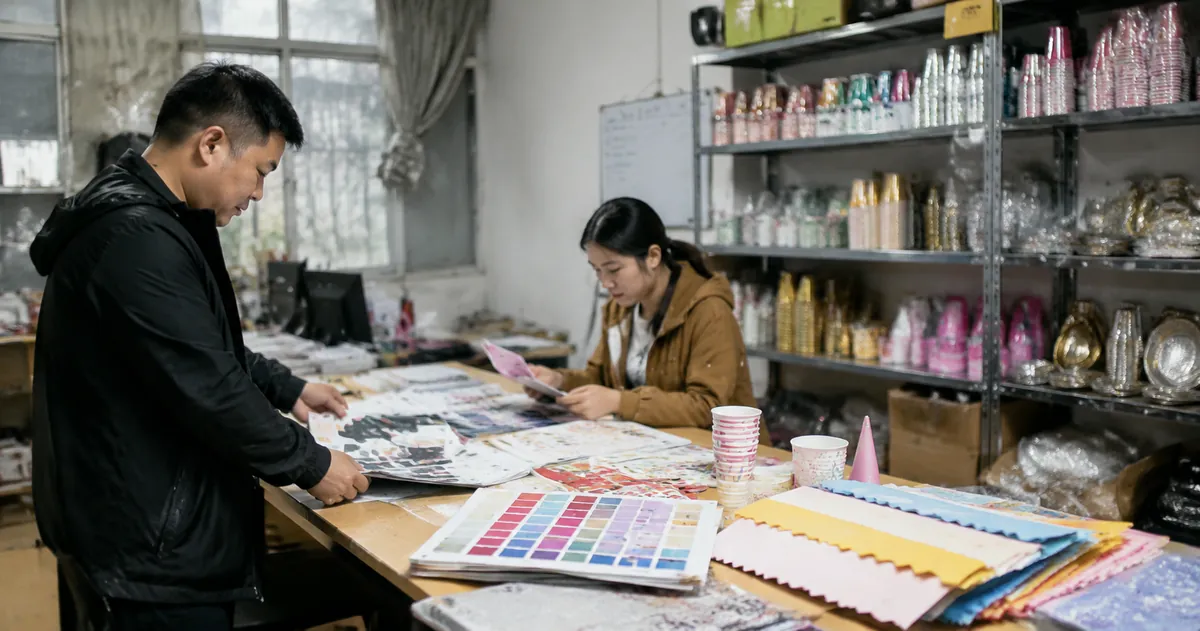
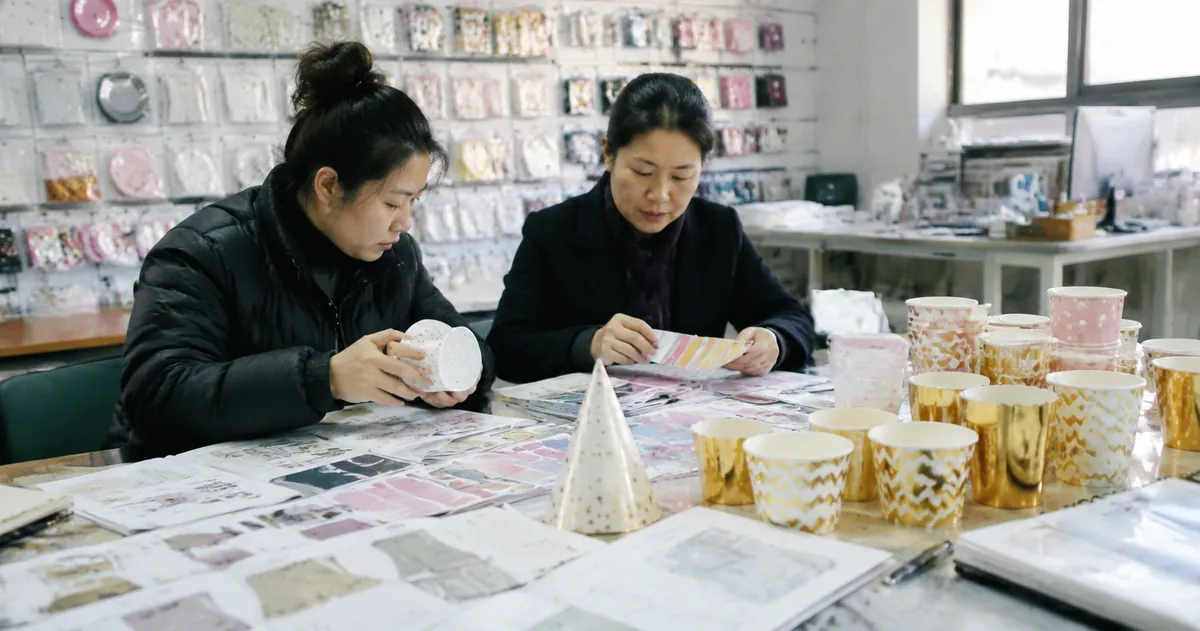
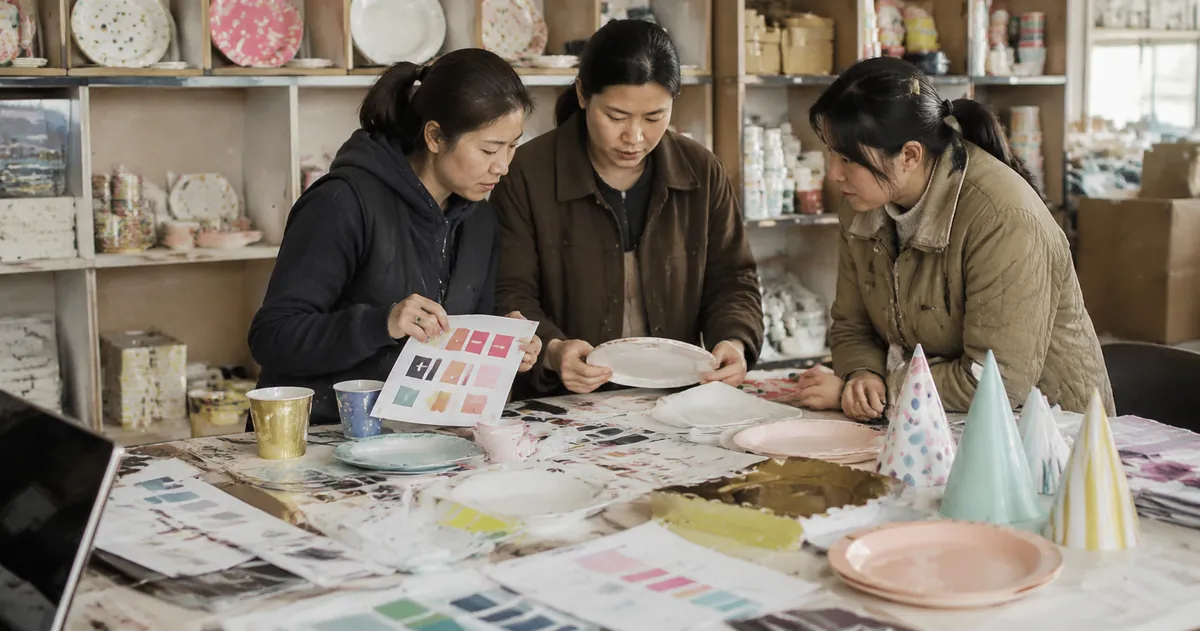
Treat custom party collection development as a complete retail or event product, including accessories, labels, and cartons, not only the visible item. Coordinate artwork, colors, dimensions, pack counts, costs, and launch timing across balloons, tableware, decorations, and gift bags.
Private-label development works best when artwork ownership, approvals, packaging data, testing responsibility, and change control are agreed before sampling. Name the selling channel, destination market, expected order quantity, and final pack contents so the factory can expose assumptions before sampling.
Core Specification
| Decision | What to define in the RFQ |
|---|---|
| Architecture | Define core, accent, and optional SKUs in the collection. |
| Color system | Use shared physical standards across unlike materials. |
| Milestones | Align artwork, samples, testing, production, and packing dates. |
| Packout | Plan individual cartons, mixed sets, and display-ready configurations. |
How to Approve Each Decision
Architecture
Define core, accent, and optional SKUs in the collection. The inspection checklist should repeat this architecture requirement in measurable language.
Color system
Use shared physical standards across unlike materials. Ask for a sample or measurement that proves the proposed color system is suitable for custom party collection development.
Milestones
Align artwork, samples, testing, production, and packing dates. Record the result beside the artwork and sample version used for custom party collection development.
Packout
Plan individual cartons, mixed sets, and display-ready configurations. Confirm who supplies, approves, and pays for any component affected by the packout choice.
Sample Plan
A useful custom party collection development sample is tied to architecture, color system, milestones, packout and the final packaging copy. Approval should include objective notes for dimensions and function plus a visual standard for the slowest component can delay the entire launch.
Quality Risks and Controls
- Assign this risk an owner, a check stage, and an agreed remedy: The slowest component can delay the entire launch.
- Do not leave this as a general quality expectation. Define evidence that shows whether different factories may interpret the same color reference differently.
- Use batch records, measurements, or functional tests to reduce the chance that too many low-volume skus increase setup cost and leftovers.
Classify the resulting checks as critical, major, or minor and agree the random sample plan before production. Where custom party collection development includes several components, inspect the parts, the assembled result, and the finished retail pack.
Commercial and Timeline Questions
A low price is not comparable when architecture, color system, milestones, packout differ. Request tiered quantities and identify which cost is one-time, which repeats per design, and which changes with the retail pack.
Request written confirmation for sample charges, tooling ownership, payment terms, carton quantity, shipment term, quality inspection, and the remedy for nonconforming goods. These terms should refer to the same approved specification used by production.
RFQ Details to Send
- Architecture: Define core, accent, and optional SKUs in the collection.
- Color system: Use shared physical standards across unlike materials.
- Milestones: Align artwork, samples, testing, production, and packing dates.
- Packout: Plan individual cartons, mixed sets, and display-ready configurations.
- Order profile: Quantity by variant, destination, required arrival date, Incoterm, and planned sales channel.
- Approval package: Editable artwork, color references, packaging copy, barcode data, reference images, and test or inspection needs.
Related Sourcing Pages
Continue with our custom printing and private-label options and custom party supplies. When your specification is ready, send the quantities, artwork, packaging needs, and destination market for a factory quotation.