Buying Brief for balloon inflation quality control
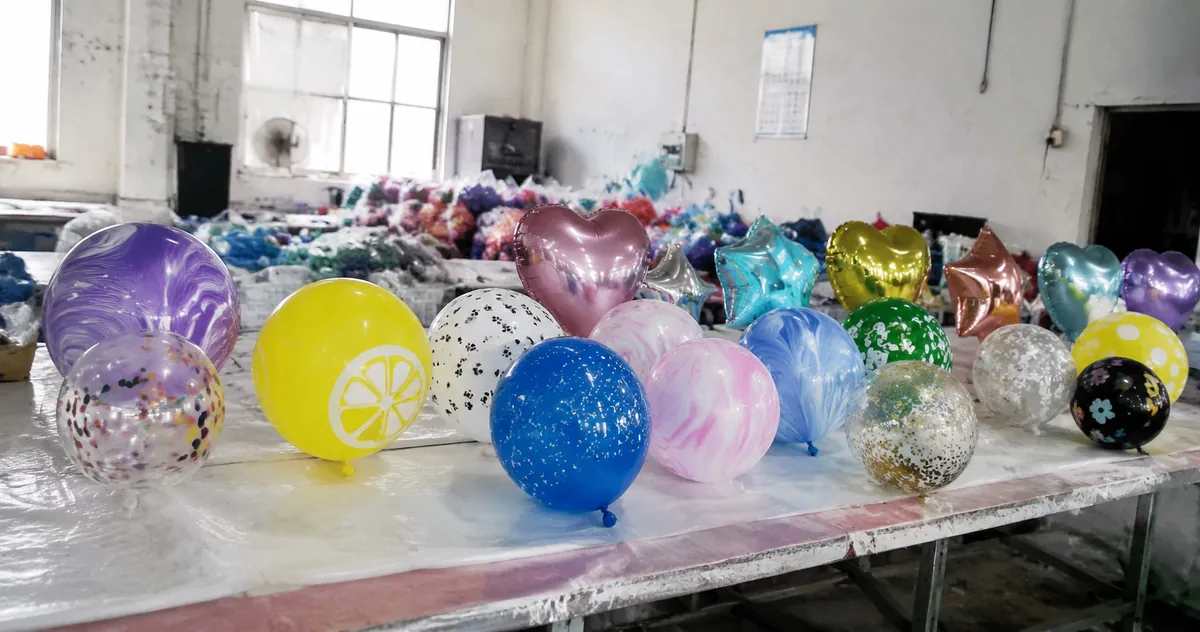
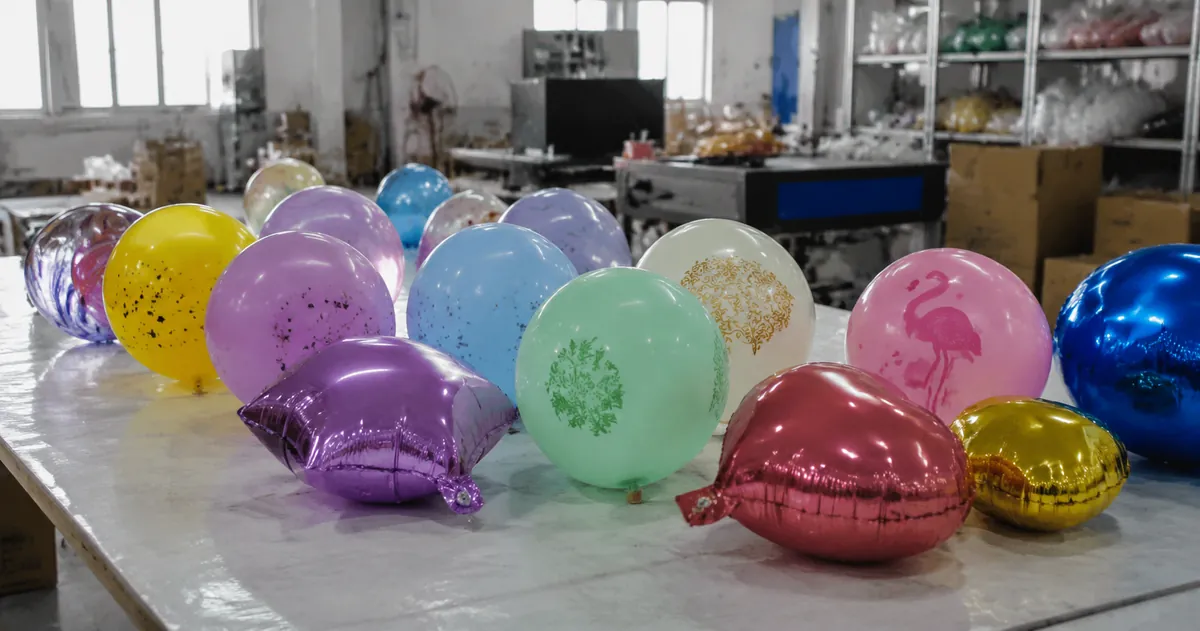
For balloon inflation quality control, the largest sourcing errors usually begin with an incomplete brief rather than the production line. Create a repeatable inspection plan for size, leakage, burst rate, seam strength, print stretch, and float performance across latex and foil balloons.
Balloon programs depend on material behavior, inflation method, print registration, color consistency, and retail pack configuration. Name the selling channel, destination market, expected order quantity, and final pack contents so the factory can expose assumptions before sampling.
Core Specification
| Decision | What to define in the RFQ |
|---|---|
| Sample plan | Define lot size, random sample count, and acceptance criteria. |
| Inflation method | Use controlled pressure, gas type, and sizing tools. |
| Observation time | Record immediate defects and delayed leakage separately. |
| Failure coding | Separate pinholes, seam leaks, neck tears, valve failures, and print cracks. |
How to Approve Each Decision
Sample plan
Define lot size, random sample count, and acceptance criteria. Compare this sample plan point on a like-for-like basis and reject quotes that leave it undefined.
Inflation method
Use controlled pressure, gas type, and sizing tools. The inspection checklist should repeat this inflation method requirement in measurable language.
Observation time
Record immediate defects and delayed leakage separately. Ask for a sample or measurement that proves the proposed observation time is suitable for balloon inflation quality control.
Failure coding
Separate pinholes, seam leaks, neck tears, valve failures, and print cracks. Record the result beside the artwork and sample version used for balloon inflation quality control.
Sample Plan
Do not approve balloon inflation quality control from a sales sample of unknown origin. Request project-specific evidence for sample plan, inflation method, observation time, failure coding, and document the control used against informal hand inflation cannot be compared between inspectors.
Quality Risks and Controls
- The supplier should explain the production control and the buyer should verify it on samples because informal hand inflation cannot be compared between inspectors.
- Assign this risk an owner, a check stage, and an agreed remedy: Tiny foil seam leaks may appear only after several hours.
- Do not leave this as a general quality expectation. Define evidence that shows whether print defects can become visible only at the target diameter.
Classify the resulting checks as critical, major, or minor and agree the random sample plan before production. Where balloon inflation quality control includes several components, inspect the parts, the assembled result, and the finished retail pack.
Commercial and Timeline Questions
Request a base configuration and separately priced options for sample plan, inflation method, observation time, failure coding. This keeps the balloon inflation quality control decision readable when minimums or setup charges differ by variant.
Request written confirmation for sample charges, tooling ownership, payment terms, carton quantity, shipment term, quality inspection, and the remedy for nonconforming goods. These terms should refer to the same approved specification used by production.
RFQ Details to Send
- Sample plan: Define lot size, random sample count, and acceptance criteria.
- Inflation method: Use controlled pressure, gas type, and sizing tools.
- Observation time: Record immediate defects and delayed leakage separately.
- Failure coding: Separate pinholes, seam leaks, neck tears, valve failures, and print cracks.
- Order profile: Quantity by variant, destination, required arrival date, Incoterm, and planned sales channel.
- Approval package: Editable artwork, color references, packaging copy, barcode data, reference images, and test or inspection needs.
Related Sourcing Pages
Continue with our custom balloon manufacturing and custom printing and private-label options. When your specification is ready, send the quantities, artwork, packaging needs, and destination market for a factory quotation.